5 Questions to Ask Before a Dental Hygiene Career Change
Oct 14, 2026For some dental hygienists, a successful career follows a straight line: gain experience, become more efficient, ask for a raise, and settle into work that does not follow you home at night.
For many of us, the path winds. We may consider leaving dentistry because of burnout, find an office that feels ideal, then discover we are itching to feel challenged again, or facing repetitive-use injuries that require surgery. Suddenly, a new career can feel like the only option.
Careers rarely move in one predictable direction, and most professions have career pivots built into their possible pathways. Dental hygiene is no different. A career pivot is a purposeful change in how, where, or with whom you apply your expertise. It might mean expanding your clinical focus, taking on leadership responsibilities, contributing to quality improvement, or exploring a role that connects dentistry with the larger healthcare system.
Nursing offers a helpful comparison. A nurse may begin in direct care and later pursue a specialty, care coordination, education, administration, research, informatics, public health, or quality improvement. Each path can require additional education or experience, but nursing has long recognized that clinical expertise can translate across many settings. Dental hygiene can take the same broader view.
A pivot is not a step backward. It is a new way to use your experience.
A Pivot Can Happen Within Clinical Practice—or Beyond It
A career pivot does not have to mean leaving patient care. You may want to remain in practice while becoming a stronger resource for patients and colleagues. Or you may be drawn to mentorship, public health, program coordination, healthcare administration, education, or interdisciplinary collaboration.
There is no single “right” version of progress. The more useful question is:
Where can my knowledge, perspective, and energy make the greatest difference next?
That question opens possibilities a traditional career ladder can overlook. Your path may not be paved and well-lit, but an overgrown two-track that one or two before you have blazed. If something is tugging on your heartstrings, trust it and explore it. A new area of expertise (clinical or non-clinical), a lateral move, or a role that brings oral health into broader healthcare conversations can all be meaningful pivots.
5 Signs It May Be Time to Explore a Pivot
You do not need to feel burned out, bored, or in pain to begin exploring a new direction. Watch for patterns such as these:
1. You are energized by work that is non-clinical.
Maybe you enjoy patient education, mentoring teammates, improving a workflow, discussing a particular patient population, or helping others understand oral-systemic connections. Notice the work that gives you energy, not only the work you do well.
Try this: For two weeks, write down one task that energized you and one that drained you at the end of each workday. Look for patterns.
2. A frustration has become a lasting signal.
A challenging workplace, schedule, or season does not automatically mean you need a career pivot. Ask whether the issue could improve with more support, better boundaries, or a change in setting. If you are consistently drawn to different work—even after considering those factors—it may be time to explore what is next.
Ask yourself: Do I want a different workplace, or do I want to use my skills differently?
3. You want to make a broader impact.
You may find yourself wanting to influence more than one person per hour. That could mean improving systems, educating a team, advocating for a community, supporting a healthcare initiative, or helping patients navigate more connected care.
Try this prompt: I want to use my oral-systemic expertise to help ______. Your answer can help clarify the impact and the settings you want to investigate.
4. You are curious about a new role—but unsure whether you are qualified.
Curiosity is a useful clue. It does not mean you must make an immediate change, but it may be worth learning more about the skills, responsibilities, and education associated with a role that interests you.
Take action: Talk with someone working in that area, seek a mentor, or read role descriptions to identify the transferable skills you already have.
5. You are ready to invest in targeted learning.
When you are eager to build a specific capability—not just collect education—you may be ready to pivot with intention. The right learning can help you test an interest, strengthen your confidence, and apply new knowledge in a practical setting.
Start small: Choose one focused learning goal for the next six months, such as interprofessional collaboration, oral-systemic health, leadership, or quality improvement.
Your Experience Is A Stepping Stone
A common fear about a career pivot is that changing direction means starting from zero. It does not.
Dental hygienists bring clinical knowledge, prevention expertise, patient communication, documentation, ethics, critical thinking, and team-based problem-solving to every next step. Those skills remain valuable when the setting changes.
An RDH interested in leadership may already be leading by supporting a teammate or identifying a barrier in patient care. An RDH interested in healthcare integration may already be helping patients understand how oral health connects with their broader health. An RDH drawn to education may already be translating complex information into clear, compassionate guidance every day.
The setting may change. Your core strengths travel with you.
Turn Curiosity Into a Practical Next Step
You do not need to decide your entire future before you take action. A low-risk test can give you more clarity than waiting for certainty.
Consider one of these next steps:
- Volunteer for a quality-improvement project in your current setting.
- Schedule a conversation with a mentor or healthcare colleague.
- Learn more about a clinical area or career path that interests you.
- Identify one transferable skill to strengthen this year.
- Explore a structured educational pathway that aligns with the impact you want to make.
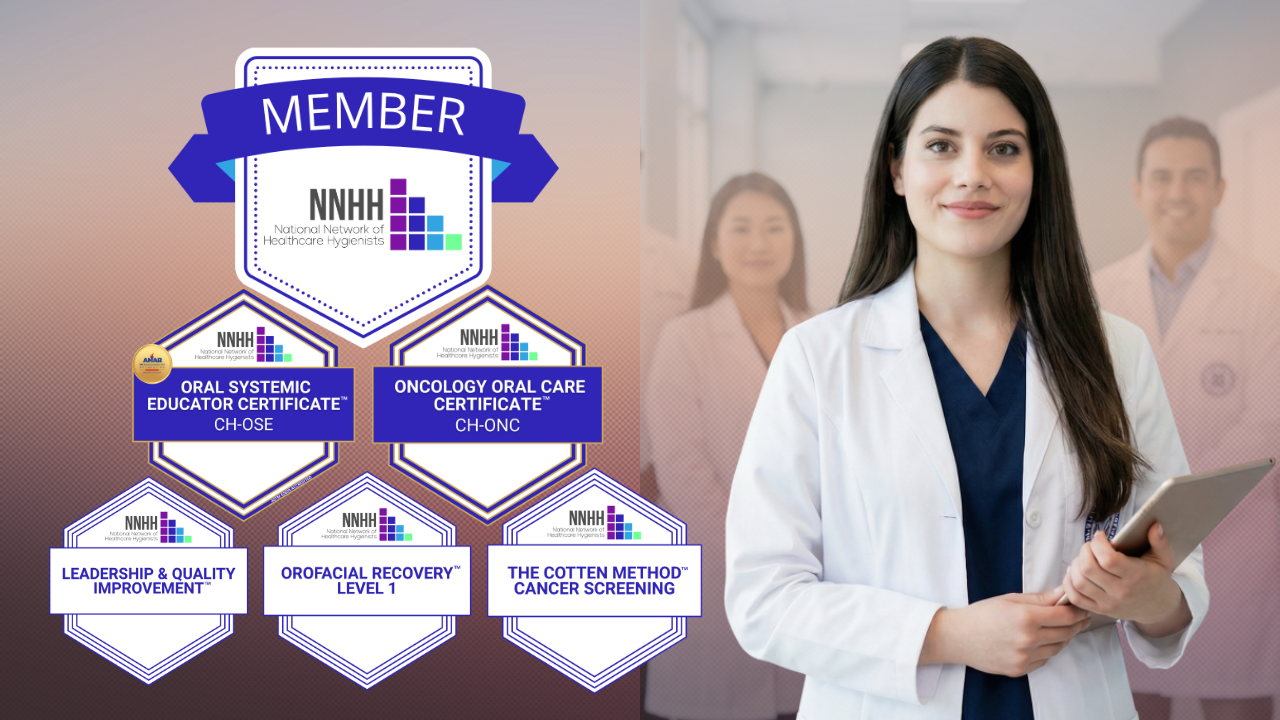
NNHH offers self-paced, research-based learning pathways for RDHs who want to explore the expanding connection between dentistry and healthcare. Depending on your goals, you may begin with Interprofessional Education Competency Training for the RDH™, develop oral-systemic expertise through a certificate program, or explore leadership and quality improvement beyond full-time clinical practice.
NNHH certificate programs are educational credentials, structured around defined learning outcomes and assessment. Upon successful completion of applicable requirements, learners receive a certificate of completion, CE credit, a digital badge, and a post-nominal designation.
Your Next Pivot Can Start Small
A career pivot does not require a perfect plan. It requires enough confidence to begin.
Your next chapter may not look like a conventional promotion—and that is okay. It may be a new application of the experience you have already earned, a deeper area of expertise, or a chance to help patients and teams in a different way.
You are not starting over. You are pivoting from experience.
Ready to Explore Your Next Pivot?
Whether you want to strengthen your role in collaborative care, develop a focused area of expertise, or explore leadership beyond traditional clinical practice, NNHH offers educational pathways for RDHs.
Explore NNHH Certificate Programs →
AUTHOR
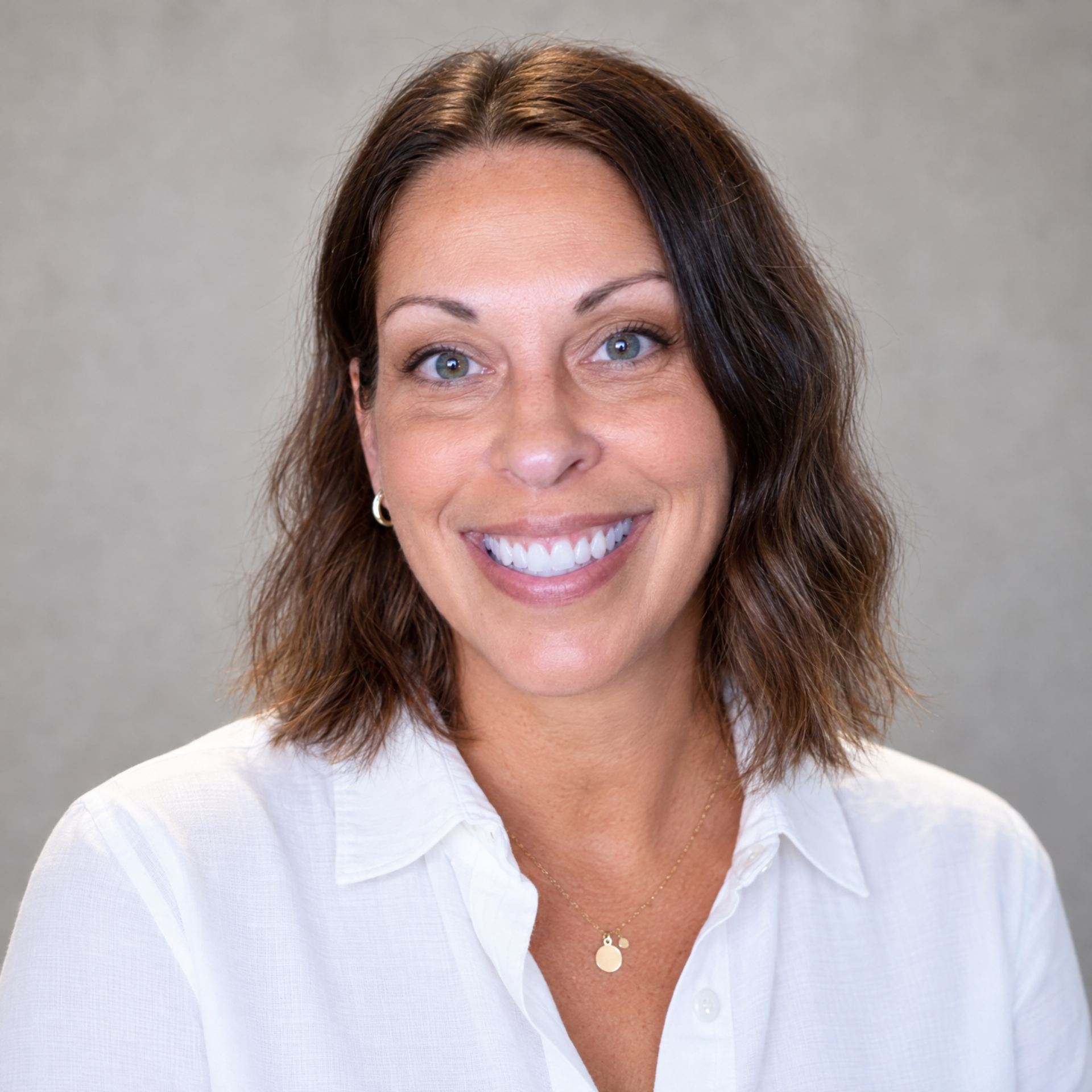
Jamie Dooley is a dental hygiene workforce development expert and Program Director of the National Network of Healthcare Hygienists (NNHH). Her work connects professional credentialing, education, and healthcare integration, advancing recognition of RDHs as oral-systemic experts and essential members of collaborative healthcare teams. Jamie’s dental public health experience and two decades of in-depth individual and group coaching give her keen insight into the barriers hygienists face—and the preparation and support they need to move beyond them. She brings that insight to NNHH’s programs and member guidance, helping RDHs expand their professional identity and contribute their full expertise to interprofessional, person-centered care. Connect with her at [email protected].