Making Oral Health Part of Cancer Care in Your Community
Oct 20, 2026I graduated dental hygiene school with an understanding of the etiology of periodontal disease, the importance of prevention, and the skills needed to help patients improve their oral health.
What I didn’t fully realize was that dental hygiene school had given me a foundation—not all the knowledge I would need throughout my career.
Have you ever had a patient sit down in your chair and tell you that they have recently started chemotherapy? Perhaps they explain that they haven’t had the energy to maintain their usual oral hygiene routine. Or maybe their cancer treatment is just beginning, and they don’t know what to expect for their oral health.
As dental hygienists, we care for patients undergoing chemotherapy, radiation therapy, immunotherapy, and other cancer treatments. We also see oral complications during and after treatment, which may include dry mouth, increased caries risk, oral mucositis, periodontal complications, and tooth loss.
When a patient updates their medical history and tells us that their cancer treatment is about to begin, what do we say? How do we feel?
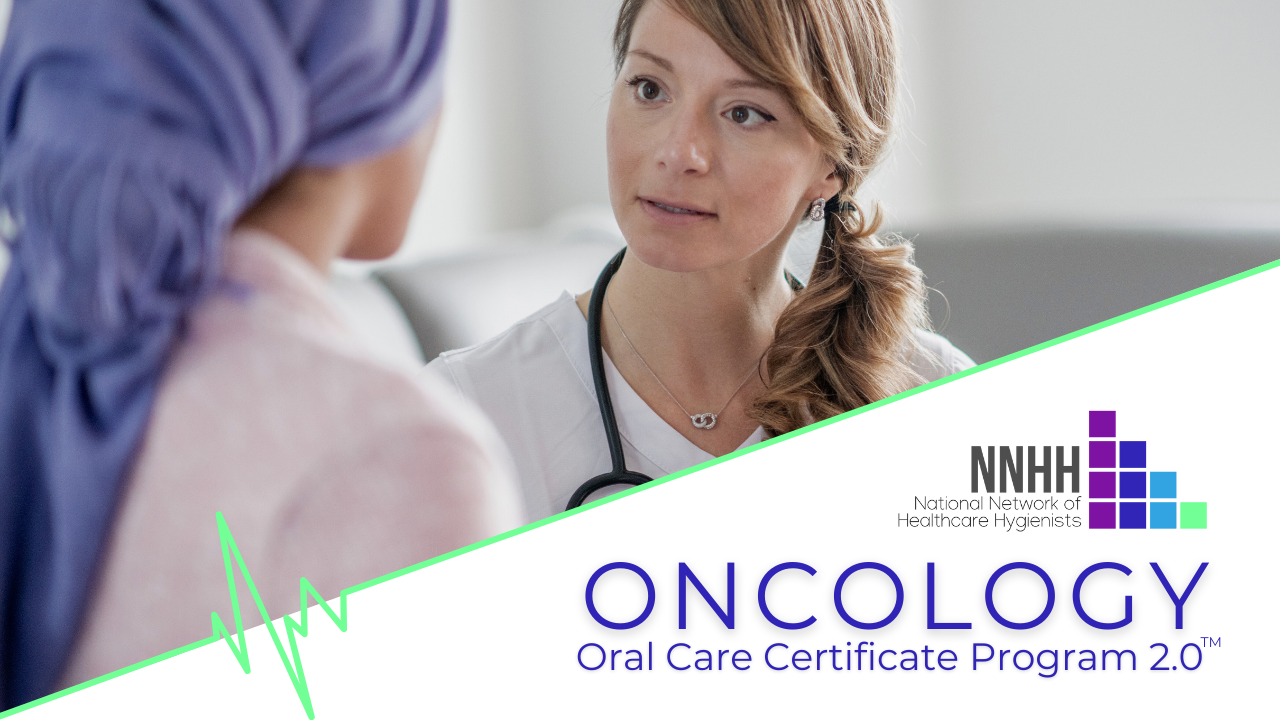
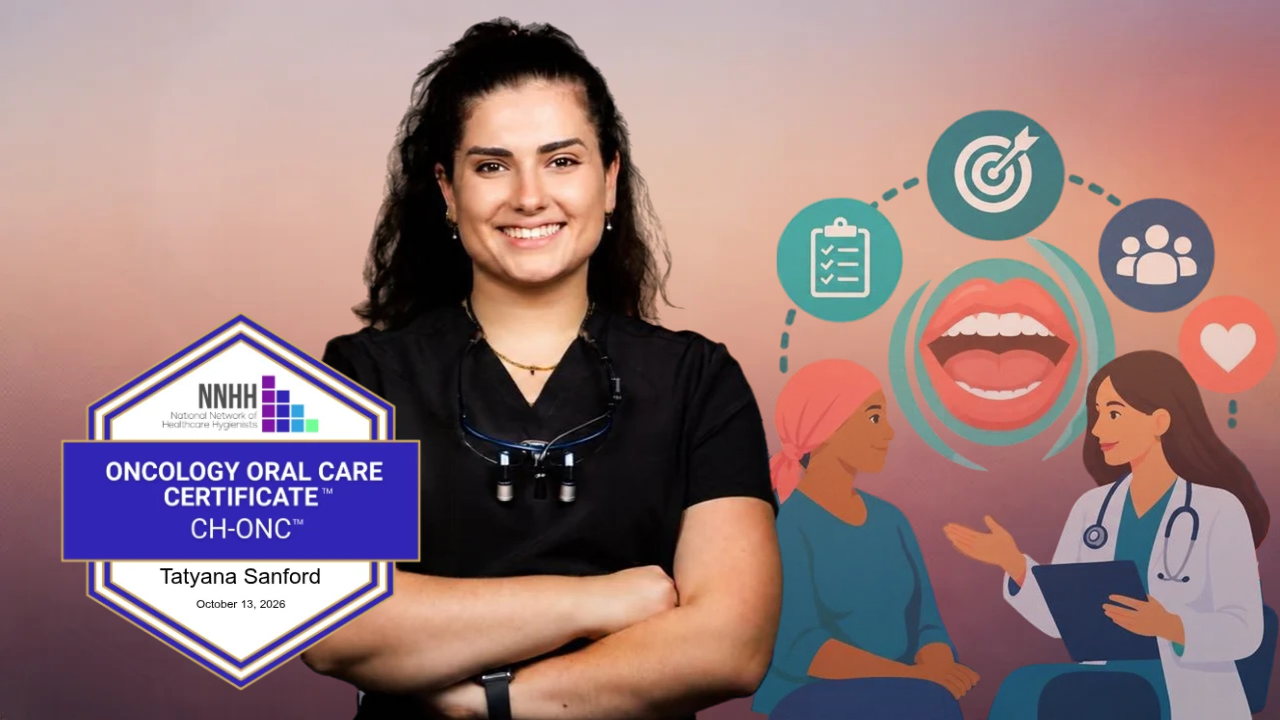
Before completing the Oncology Oral Care Certificate Program™ my heart would sink whenever a patient told me that cancer treatment was about to begin. I felt helpless, knowing that my patient was preparing for a difficult journey and might experience significant oral health complications. I wanted to help prevent these consequences, but I did not know how.
That helplessness became my motivation to learn more.
Through the program, I discovered that dental hygienists can take proactive steps to help reduce the risk and severity of oral complications. Our role extends beyond treating periodontal disease after it develops. We can help patients prepare for cancer treatment, establish preventive routines, recognize early signs of complications, and collaborate with their oncology teams when appropriate.
A comprehensive dental evaluation before cancer treatment begins can help identify existing infections and oral health concerns that may need attention. During treatment, individualized oral hygiene recommendations, appropriate strategies, and regular communication with the oncology team can help protect oral health. When patients experience fatigue, nausea, oral tenderness, or dry mouth, we can help them adapt their routines to make daily care more manageable.
Now, when I see a patient undergoing cancer treatment, I feel equipped to help rather than helpless. I have a better understanding of which oral care products, preventive strategies, and daily routines may be appropriate for their individual needs. I can offer practical recommendations to help patients maintain their oral health, even when treatment makes everyday tasks more challenging. Just as importantly, I feel confident reaching out to a patient’s oncology team, sharing concerns, and working collaboratively to support the patient’s overall care. I no longer feel like I have to stand by and watch my patients struggle with the oral health consequences of cancer treatment. Instead, I can be an active part of their healthcare team, advocating for prevention and providing education throughout their treatment journey.
Be the local advocate and subject matter expert on oncology oral care
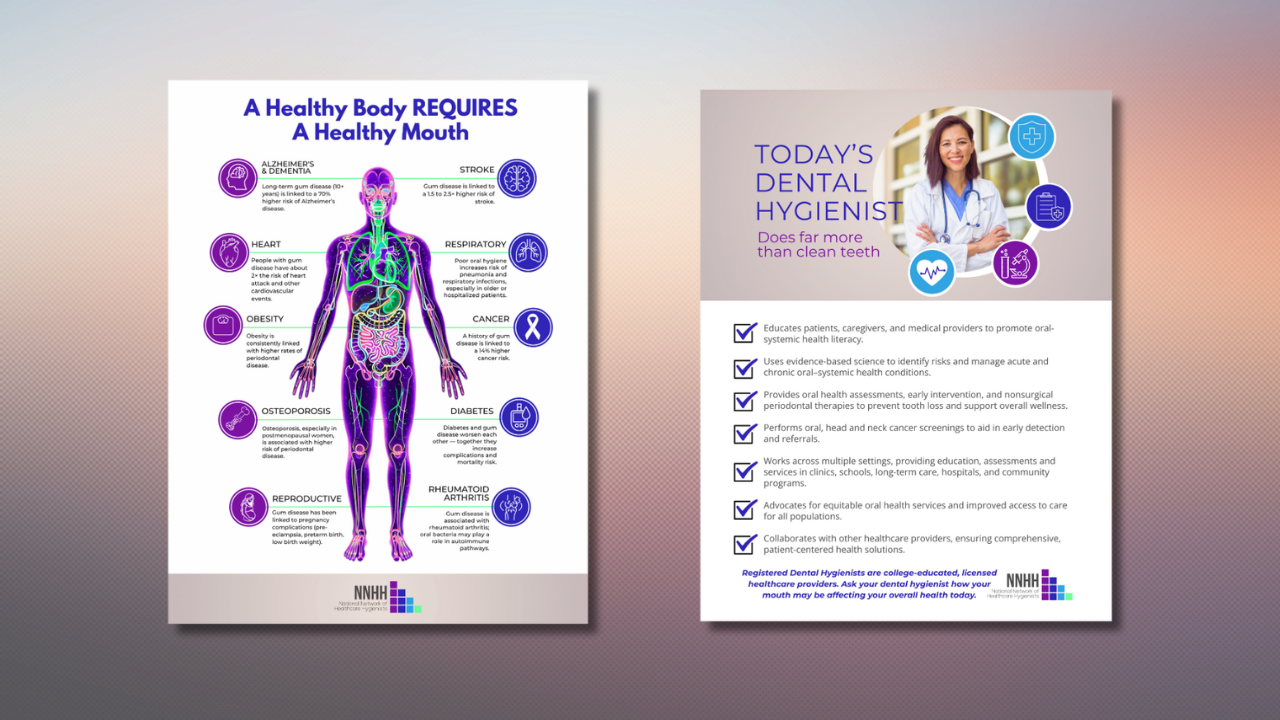
I have also seen firsthand how a simple outreach effort can make a difference. I recently visited a local cancer center to share educational brochures and explain why oral health education matters during treatment. The materials, along with my contact information, were submitted to the center’s management team for review—an encouraging reminder that advocating for this need can open important conversations.
In my own dental practice, the brochures are quickly picked up by patients seeking information for themselves, a friend, a family member, or someone in the field. The stories are often heartbreaking: some patients receive little guidance about caring for their mouths during cancer treatment, while others are too sick to visit a dental practice for support. These experiences have shown me that a single conversation, brochure, or act of advocacy can be the first step toward meaningful support. They have strengthened my commitment to continue sharing resources and advocating for better oral health support in my community. They also reinforce the opportunity for cancer centers to include oral health specialists in comprehensive cancer care, so preventive support is available when patients need it most.
What Can You Do?
- Keep learning. Pursue continuing education on oral complications associated with cancer treatment. Find a study group or start one.
- Ask and prepare. Update the health history, ask about previous and current cancer care, and encourage a dental evaluation before treatment when possible.
- Individualize support. Adapt oral hygiene routines, products, and strategies to each person’s symptoms and needs.
- Collaborate. Recognize early complications and communicate with the oncology team when appropriate.
- Advocate locally. Share credible resources and expand oral health support in your community. Be the local subject matter expert on oncology oral care.
No two people with cancer are alike, so recommendations must be tailored to each person’s treatment, medical status, and oral health needs. Continue investing in the kind of provider you are becoming.
We may not be able to eliminate every side effect of cancer treatment, but we can help patients prepare for and manage many oral health challenges. With knowledge, prevention, and collaboration, we can make a meaningful difference in their care.
Keep learning. Make oncology education part of dental hygiene practice. People with cancer deserve oral health support throughout treatment and beyond.
Author
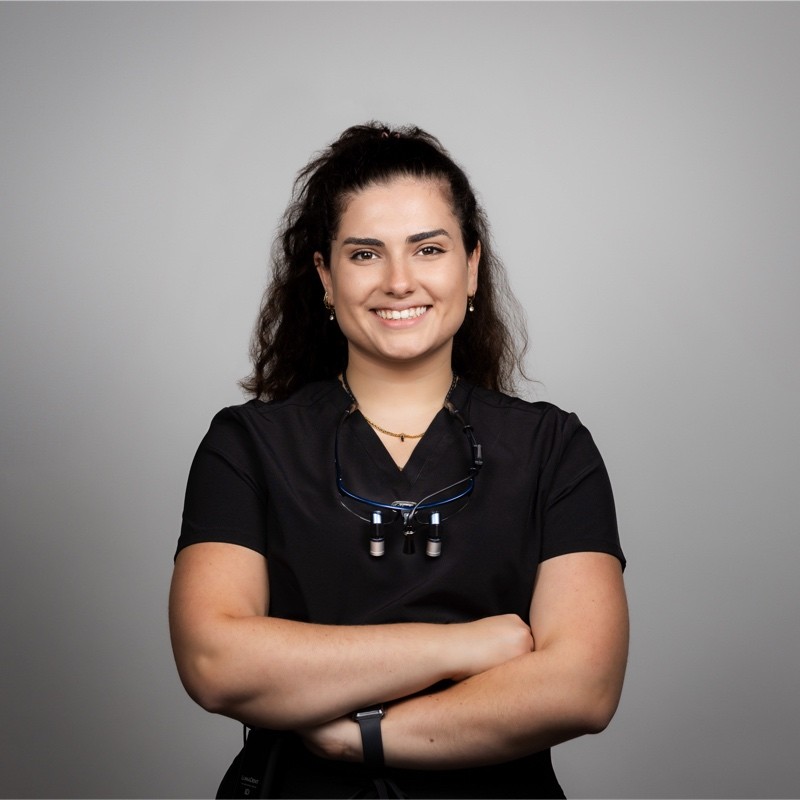
Tatyana Sanford, RDH, CH-ONC
Tatyana has been a registered dental hygienist since 2020 and has experience working in both DSO and private practice settings. She is passionate about preventive care and believes in empowering patients with the knowledge and tools they need to take an active role in their oral health. She is committed to expanding her knowledge, growing as a clinician, and exploring ways to support patients beyond the dental chair.