The Hidden Link Between Oral Health and Chronic Disease
Apr 28, 2026When we think about oral health, we often focus on plaque, cavities, and brushing habits. But beneath the surface lies a powerful biological process that connects the mouth to the rest of the body: inflammation.
Inflammation is the body’s natural defense mechanism. When working properly, it helps protect and heal. However, when inflammation becomes chronic, it can shift from being protective to destructive, contributing to tissue breakdown, disease progression, and long-term health complications.
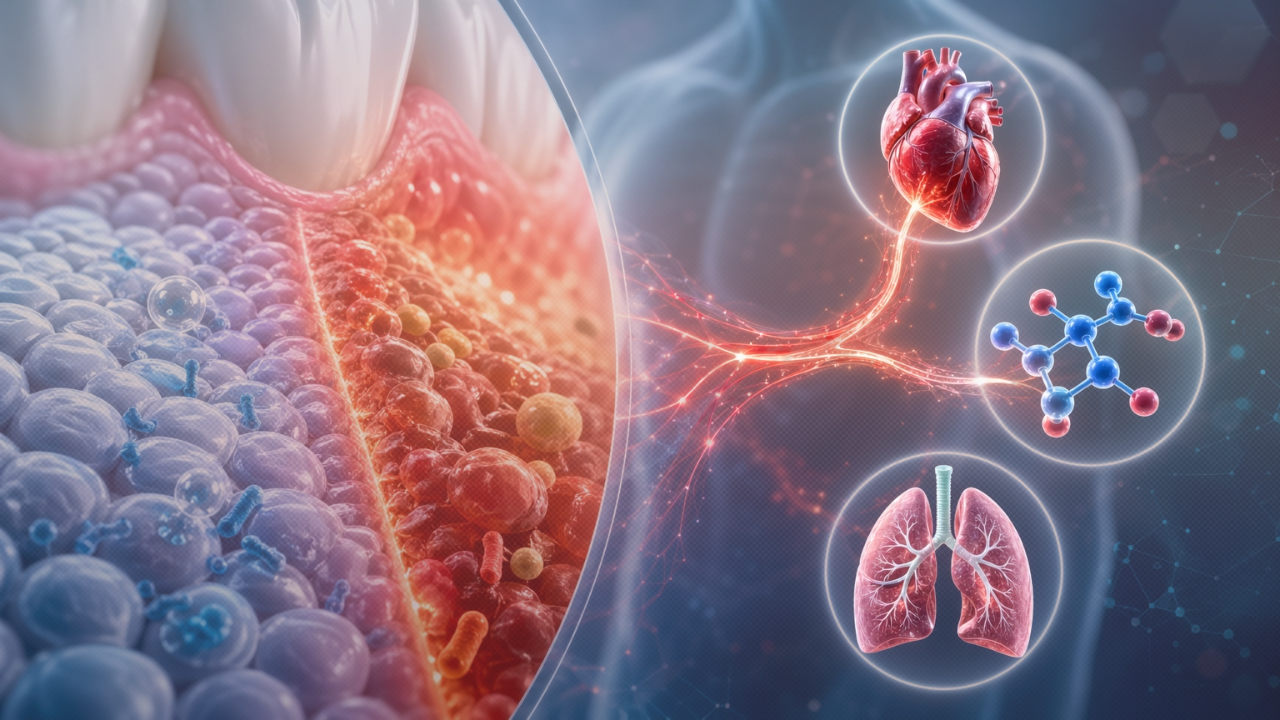
In the mouth, this process often begins with the accumulation of biofilm. If not effectively managed, the body responds with an inflammatory reaction. Over time, this can lead to inflammatory gum disease commonly known as gingivitis. If left unchecked it can progress to periodontal disease, where supporting structures of the teeth, including bone, are affected. This is not just a localized issue; it is part of a larger systemic response.
At the center of this inflammatory cascade are microorganisms, bacteria, viruses, and fungi. These microbes interact with the immune system, triggering the release of inflammatory mediators. In susceptible individuals, this response can become dysregulated, meaning the body’s defense system begins to contribute to its own damage. This is how a microbial imbalance in the mouth can influence inflammation throughout the body.
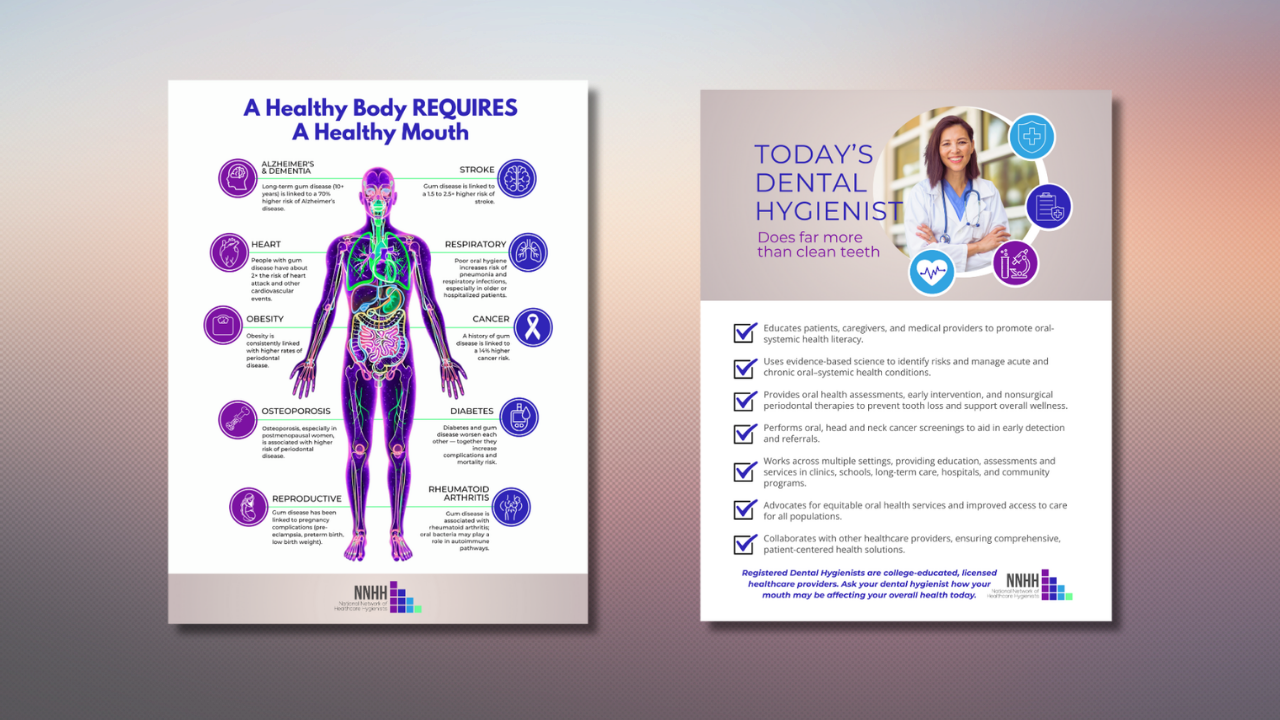
Research continues to demonstrate strong connections between chronic inflammation and common health conditions. Cardiovascular disease, for example, has been linked to inflammatory pathways that may be influenced by oral bacteria entering the bloodstream. Ever brushed and then spit to see “pink in the sink”? You will have just witnessed how mouth microbes entered your bloodstream. Diabetes and periodontal disease share a bidirectional relationship, where inflammation worsens both conditions. Obesity is associated with a chronic low-grade inflammatory state, which can amplify oral disease. Sleep apnea and breathing disorders may contribute to dry mouth and altered oral environments, further increasing inflammatory risk. Even gut health is closely tied to the oral microbiome, reinforcing the idea that the body functions as an interconnected system, not isolated parts.
This is why oral health cannot be viewed in isolation. The mouth is an entry point to the body, and inflammation within it can have far-reaching effects.
For clinicians, this understanding enhances our ability to critically analyze what we see in practice. Bleeding gums are not “just gingivitis.” Recurrent inflammation may signal underlying systemic conditions, lifestyle factors, or barriers to care that need to be addressed. By asking deeper questions, collaborating with other healthcare providers, and tailoring individualized care plans, we can move beyond symptom management toward true prevention and wellness.
For patients, the message is empowering: small, consistent actions matter. Effective daily oral hygiene, regular professional care, balanced nutrition, and managing overall health all contribute to reducing inflammation, not only in the mouth but in the entire body..
Ultimately, addressing inflammation is about shifting our perspective, from treating disease after it occurs to understanding and managing the processes that cause it. As oral health professionals and informed individuals, we have an opportunity to support not just healthier smiles, but healthier lives.
Resources:
- Kinane, D. F., Stathopoulou, P. G., & Papapanou, P. N. (2017).
Periodontal diseases. Nature Reviews Disease Primers, 3, 17038. - Tonetti, M. S., Van Dyke, T. E., & Working Group 1 of the Joint EFP/AAP Workshop (2013).
Periodontitis and atherosclerotic cardiovascular disease: Consensus report. Journal of Periodontology, 84(4 Suppl), S24–S29. - Preshaw, P. M., Alba, A. L., Herrera, D., Jepsen, S., Konstantinidis, A., Makrilakis, K., & Taylor, R. (2012).
Periodontitis and diabetes: A two-way relationship. Diabetologia, 55(1), 21–31. - Hajishengallis, G. (2015).
Periodontitis: From microbial immune subversion to systemic inflammation. Nature Reviews Immunology, 15(1), 30–44.
ABOUT THE AUTHOR

Colette Murray, RDH, CH-OSE
Colette has been an RDH for 22 years, with the last decade as an Independent Practitioner and mobile practice owner. Being an Oral Systemic Educator allows her to bring in knowledge and understanding of the bidirectional nature of oral systemic health to further help her clients in the eldercare medical communities where she works. She has a passion for leadership and strives to be a positive mentor for her colleagues. She has over two decades of varied professional experience and endeavors to leverage that for the benefit of other providers in the dental industry. Special projects and collaboration are what keep her going, inspire and invigorate her. She has lead and participated in several successful initiatives and found it to be a great way to add value to her professional life.