The Hidden Link Between Pregnancy, Oral Health and Your Baby's Development
Jan 29, 2026Pregnancy is a time of remarkable change, and oral health plays a vital yet often overlooked role in supporting both maternal and fetal well-being. As oral-systemic educators, registered dental hygienists frequently emphasize that the mouth is not separate from the body, especially during pregnancy. Understanding how pregnancy affects oral health, and how maternal oral conditions may influence infant outcomes, allows dental professionals and caregivers to work together to support healthy beginnings.
Oral Health and Physiological Changes During Pregnancy
Pregnancy-related hormonal changes significantly impact the oral environment. Elevated estrogen and progesterone levels increase blood flow to the gingival tissues and alter immune responses, making pregnant patients more susceptible to inflammation. As a result, pregnancy gingivitis is extremely common and may present as swollen, tender, or bleeding gums. If left unmanaged, gingivitis can progress to periodontitis, a chronic inflammatory condition associated with systemic effects.
Other common oral findings during pregnancy include enamel erosion, often linked to frequent vomiting or acid reflux, and changes in salivary composition that may increase caries risk. Recognizing these findings early allows for preventive intervention and patient education rather than reactive treatment.
Safe Dental Care During Pregnancy, Addressing the Myths
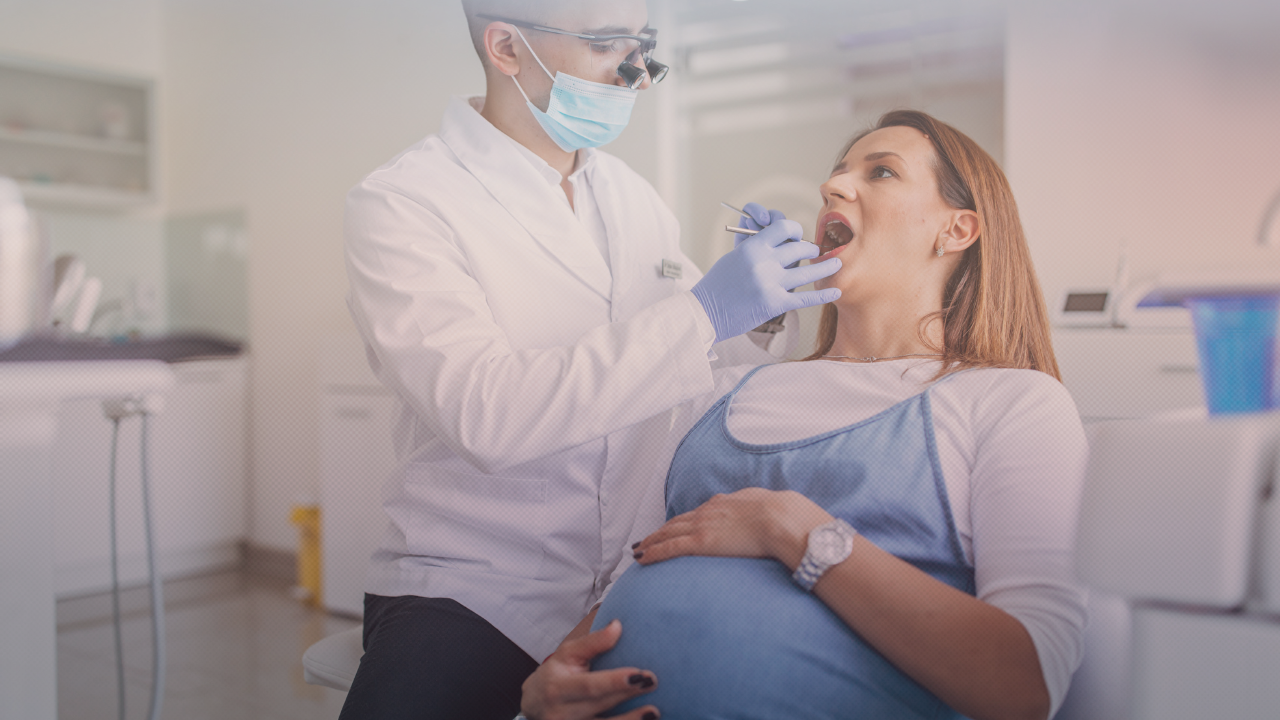
Despite strong evidence supporting dental care during pregnancy, myths persist that treatment should be delayed until after delivery. In reality, routine and necessary dental care is both safe and recommended during pregnancy, particularly during the second trimester.
Evidence-based guidelines support the appropriate use of:
- Local anesthesia, such as lidocaine
- Dental radiographs (xrays), when clinically indicated and properly shielded
- Nitrous oxide, used judiciously and following established safety protocols
Avoiding dental hygiene care can allow infection and inflammation to progress, potentially posing greater risk than treatment itself. Dispelling these myths is essential in ensuring pregnant patients receive timely and appropriate oral healthcare.
Maternal Oral Health and Fetal Outcomes
Research suggests an association between periodontal disease and adverse pregnancy outcomes, including preterm birth and low birth weight. While pregnancy outcomes are multifactorial, chronic oral inflammation may contribute to systemic inflammatory burden. Supporting maternal oral health is therefore an important component of comprehensive prenatal care.
Equally important is the relationship between caregiver oral health and infant oral health. The transmission of cavity-causing bacteria from caregiver to infant highlights the need for preventive care and education before a child’s first tooth erupts.
Infant Oral Care and Building a Healthy Foundation
Oral health begins at birth. Establishing a dental home by 12 months of age, provides infants and caregivers with early risk assessment, education, and anticipatory guidance.
Infant oral care focuses on developmental milestones and prevention, including:
- Cleaning the gums before teeth erupt
- Understanding normal teething patterns
- Proper use of fluoride based on caries risk
- Nutrition and feeding practices that reduce ECC risk
- Avoiding prolonged bottle use and harmful oral habits
The Role of Anticipatory Guidance and Early Dental Visits
Anticipatory guidance equips caregivers with age-appropriate information before problems develop. Infant and toddler dental appointments are centered on education, reassurance, and prevention, not treatment. These visits with Registered Dental Hygienists include reviewing oral hygiene practices, assessing growth and development, discussing nutrition, and identifying habits that may impact long-term oral health.
Supporting Lifelong Health from the Start
Maternal oral health and early childhood oral care are deeply interconnected. By understanding the oral changes associated with pregnancy, providing safe and evidence-based dental care, and supporting caregivers from birth onward, dental professionals play a critical role in promoting the health of both mother and child, starting with the smile.
Bring this list to your next dental hygiene appointment to start a conversation with your registered dental hygienist:
- How can pregnancy (or trying to conceive) affect my gums, teeth, and oral health overall?
- Are there any changes I should make to my daily oral hygiene routine during pregnancy?
- Is it safe for me to receive dental hygiene care (dental cleanings), X-rays, local anesthesia, or other dental treatments during pregnancy if needed?
- Can my oral health impact my pregnancy or my baby’s health in any way?
- What steps can I take now to support my baby’s future oral health, even before their first tooth appears?
Your registered dental hygienist is a key member of your healthcare team.
Download a printable version of these discussion points to take into your next dental hygiene visit.
Oral Health Questions to Ask During Pregnancy
Your Mouth Matters
Your smile is more than teeth, it’s a reflection of your whole-body health. At the National Network of Healthcare Hygienists, we’re here to help dental hygienists assist you in understanding those connections, ask the right questions, and get the care you deserve.
For more information, visit www.healthcarehygienists.org.
ABOUT THE AUTHOR

Colette Murray, RDH, CH-OSE
Colette has been an RDH for 22 years, with the last decade as an Independent Practitioner and mobile practice owner. Being an Oral Systemic Educator allows her to bring in knowledge and understanding of the bidirectional nature of oral systemic health to further help her clients in the eldercare medical communities where she works. She has a passion for leadership and strives to be a positive mentor for her colleagues. She has over two decades of varied professional experience and endeavors to leverage that for the benefit of other providers in the dental industry. Special projects and collaboration are what keep her going, inspire and invigorate her. She has lead and participated in several successful initiatives and found it to be a great way to add value to her professional life.