Geriatric Oral Health and Supporting Individuals Across the Spectrum of Aging
Feb 25, 2026The world’s population is aging at an unprecedented rate. Today, approximately 8.5% of the global population, over 617 million people, are aged 65 and older. By 2050, that number is expected to nearly double to 1.6 billion, representing close to 17% of the world’s population. In the United States alone, older adults now make up 16% of the population, or nearly 53 million people. As this demographic grows, so does the responsibility of caregivers and healthcare professionals, to understand and respond to the unique needs of aging individuals.
The Oral-Systemic Connection in Older Adults
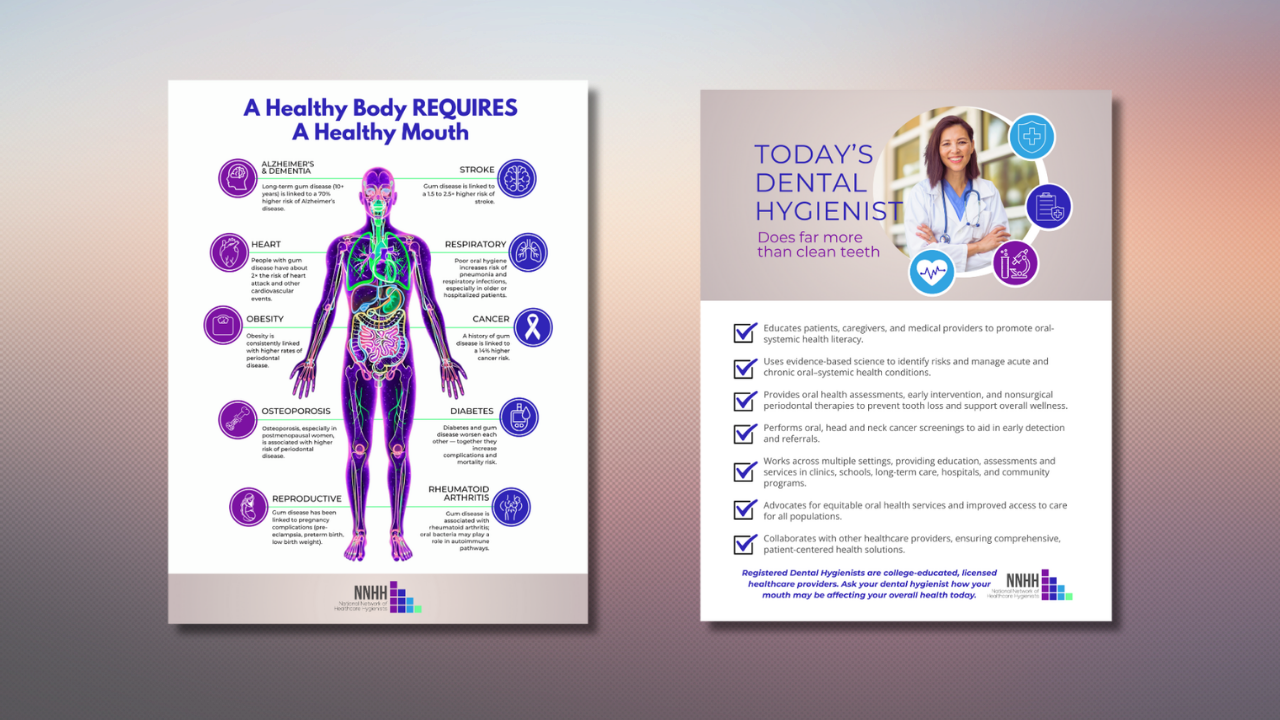
Aging is often accompanied by systemic conditions such as heart disease, stroke, diabetes, chronic obstructive pulmonary disease (COPD), cancer, and dementia. These illnesses do not exist in isolation from the mouth. Chronic inflammation, medication side effects, reduced immunity, and changes in saliva can significantly impact oral health, increasing the risk of caries, periodontal disease, oral infections, and tooth loss.
Conversely, poor oral health can exacerbate systemic disease. Periodontal inflammation has been linked to cardiovascular disease and diabetes management, while oral infections may increase the risk of aspiration pneumonia in frail elders. Understanding this bidirectional relationship is essential when caring for older adults.
Recognizing Changes in Daily Living and What They Mean for the Mouth
One of the most critical skills caregivers and dental professionals can develop is recognizing changes in activities of daily living (ADLs). Subtle signs, declining oral hygiene, missed appointments, confusion with instructions, or difficulty managing dentures, may signal cognitive, physical, or functional decline.
When ADLs change, oral health often deteriorates rapidly. This is why early planning is crucial. Conversations about long-term oral health goals, tooth retention, simplified home care routines, and future increased caregiving support should happen before systemic disease progresses or independence is lost.
The Dental Office Should be Elder-Friendly
Dental offices can make meaningful modifications to better serve older adults. These may include:
- Accessible entrances and operatories, make room for walkers or other equipment they require
- Extra appointment time for mobility or communication needs
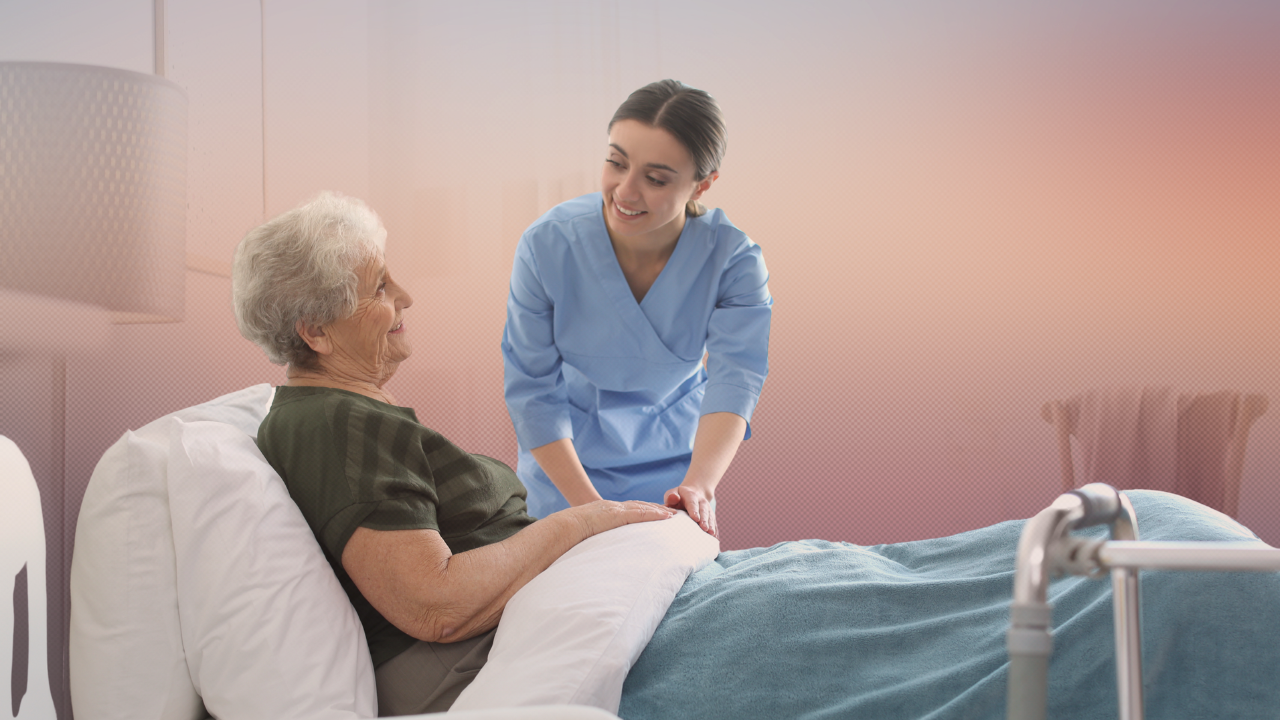
- Pillows, neck supports, light blankets and adjustable chairs
- Clear, simple verbal and written instructions
- Inclusion of caregivers in education and decision-making
These adaptations can significantly improve comfort, safety, and outcomes for elderly patients.
When Elders Can No Longer Travel for Care
Unfortunately, when older adults can no longer travel to a dental office, oral health often declines sharply. Missed preventive care, lack of professional oversight, and caregiver burnout contribute to increased decay, infection, and pain, often unnoticed until the issue has advanced.
This reality underscores the importance of developing care pathways, including mobile dental hygiene services where possible, caregiver education, and coordination with medical and long-term care teams to ensure continuity of oral care beyond the traditional dental setting.
Supporting Oral Health Through the Entire Aging Spectrum
A comprehensive geriatric oral health approach plans for every stage of aging, from healthy, independent seniors to those requiring full care. This includes:
- Preventive-focused treatment planning in coordination with the patient’s goals of care
- Simplified and realistic home care strategies
- Early caregiver involvement
- Clear documentation of oral health wishes and goals of care
- Flexibility as health status changes
- The dental team’s updated knowledge on minimally invasive dentistry techniques
- Few patients currently receive this level of foresight-driven care, yet its impact on quality of life is profound.
Dementia, Alzheimer’s, and the Mouth
Cognitive decline presents unique oral health challenges. Dementia and Alzheimer’s disease affect memory, sequencing, motor skills, and perception, making daily oral care difficult or impossible without assistance. Common oral findings include advanced periodontal disease, root caries, broken teeth, and ill-fitting dentures.
Understanding the basics of dementia as it relates to the mouth allows caregivers and dental professionals to adapt communication and modify expectations. Support and education assists caregivers in maintaining comfort, dignity, oral function and ultimately limit serious dental disease progression for those in their care.
As the population ages, geriatric oral health can no longer be an afterthought. Dental teams and caregivers must be equipped with education, awareness, and compassion to support oral health through every phase of aging, because caring for the mouth is caring for the whole person.
Download this guide "5 Important Oral Health Talking Points for Caregivers of Older Adults"
Resources:
- National Institute on Aging (NIA)
Oral Health and Aging
https://www.nia.nih.gov/health/oral-health-and-aging - Centers for Disease Control and Prevention (CDC)
Oral Health Conditions in Older Adults
https://www.cdc.gov/oralhealth/basics/adult-oral-health/adult_older.htm - World Health Organization (WHO)
Oral Health in an Ageing Society
https://www.who.int/publications/i/item/WHO-NMH-NPH-ORH-18.01
ABOUT THE AUTHOR

Colette Murray, RDH, CH-OSE
Colette has been an RDH for 22 years, with the last decade as an Independent Practitioner and mobile practice owner. Being an Oral Systemic Educator allows her to bring in knowledge and understanding of the bidirectional nature of oral systemic health to further help her clients in the eldercare medical communities where she works. She has a passion for leadership and strives to be a positive mentor for her colleagues. She has over two decades of varied professional experience and endeavors to leverage that for the benefit of other providers in the dental industry. Special projects and collaboration are what keep her going, inspire and invigorate her. She has lead and participated in several successful initiatives and found it to be a great way to add value to her professional life.